
Ingredients
Cold, Soft, or Melted? Butter in Baking
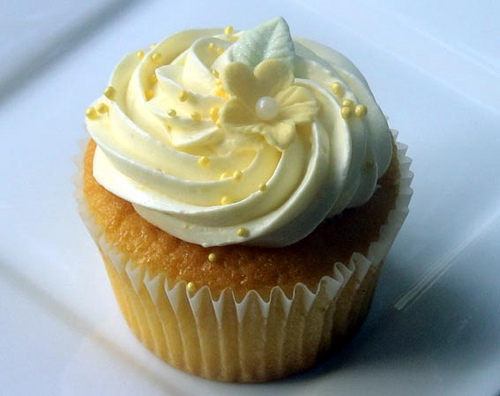
Butter is more than flavour: its temperature controls how much air a mixture holds and how quickly dough spreads in the oven.
Cold butter
Pastry and scones need cold butter. The solid pieces melt in the oven and leave tiny pockets, creating flakes and lift. If the dough becomes greasy, chill it before baking.
Soft butter
For creamed cakes and buttercream, butter should yield to a finger but still feel cool—around 18–20°C. Butter that is shiny or collapsing is too warm to hold air well.
Melted butter
Melted butter makes mixing easy and usually creates a denser, chewier result. It suits brownies and some cookies, but it cannot be creamed for a light sponge.
A quick softening trick
Cut butter into small cubes and spread them on a plate for 15 to 25 minutes. Avoid the microwave if possible; hidden melted spots change the mixture even when the block still looks solid.